WELLNESS
The quiet ritual of the sauna
On the simple practice of heat, cold and stillness — and why it belongs at the centre of a slow stay.
There is a moment, a few minutes into the heat, when the body stops arguing. The shoulders drop. The breath, without instruction, slows and lengthens. Thought thins out. Whatever you carried in — the half-finished email, the drive down from Adelaide, the low static of being reachable — loosens its grip. The sauna does almost nothing, and that is precisely its gift.
It is one of the oldest wellness practices still in everyday use, and one of the few that asks nothing of you but to sit and endure a little warmth. No app, no instructor, no goal beyond the rhythm itself. On a slow stay, where the point is to do less rather than more, it makes sense to put this small ceremony near the centre of the day.
What the Finns understood
The sauna as we know it is Finnish, and so is the vocabulary worth keeping. Löyly is the word for the burst of steam that rises when water is ladled onto hot stones — not quite heat, not quite humidity, but a soft wave that wraps the room and the skin at once. A traditional sauna runs somewhere around 80 to 100 degrees Celsius, dry until that water hits the stones, then briefly, gorgeously thick.
In Finland the sauna was never a luxury bolted onto a holiday. It was where people washed, talked, recovered, and on long winter evenings simply existed. That cultural memory is useful, because it reframes the thing: not a treatment to optimise, but a room to inhabit. You are not earning anything in there. You are just warm, and quiet, and for once unhurried.
The rhythm of hot, cold, rest
The practice has a shape, and the shape is the whole point. Heat first — long enough to feel your pulse rise and the sweat come, usually ten or fifteen minutes, though the body keeps better time than the clock. Then cold: a plunge, a cool shower, or simply stepping out into night air. The contrast is bracing in the best sense; the skin tightens, the breath catches, the mind snaps clean. Then, crucially, rest. You sit. You let the heart settle and the warmth redistribute. And then, if you like, you begin again.
Two or three rounds is plenty. What matters is not intensity but the alternation — the deliberate swing between extremes and the stillness that follows. Done outdoors on a clear southern night, the cold phase has its own reward: the Kangaroo Island sky overhead, free of city light, the steam lifting off your shoulders into the dark.
Why the calm is real
There is a physiological story underneath the pleasure. The cycle of heat and cooling nudges the body out of its alert, sympathetic state and toward the parasympathetic — the 'rest and digest' mode the nervous system relies on to recover. That is part of why people so often sleep deeply after an evening sauna, and why the calm afterwards feels less like sedation than genuine settling.
It is worth being honest about the evidence. Observational studies, many of them following sauna-going populations in Finland over years, have associated regular use with better cardiovascular and stress markers and a general sense of wellbeing. Associated is the operative word: this is correlation in long-term habits, not a cure or a prescription, and anyone with heart concerns or in pregnancy should check with a doctor first. The honest claim is the modest one — heat, cold and rest reliably make most people feel calmer and sleep better, and that alone is worth the ritual.
A room that asks for nothing
Part of what the sauna offers is sensory rather than measurable. The smell of warm cedar or timber, faintly resinous. The grain of the bench under your palms. The particular silence of a hot room, where conversation either falls away entirely or slows to something unhurried. There is also, quietly, no signal in there — no screen survives the heat, and the enforced disconnection is half the medicine. For twenty minutes you are genuinely unreachable, and the body seems to know it.
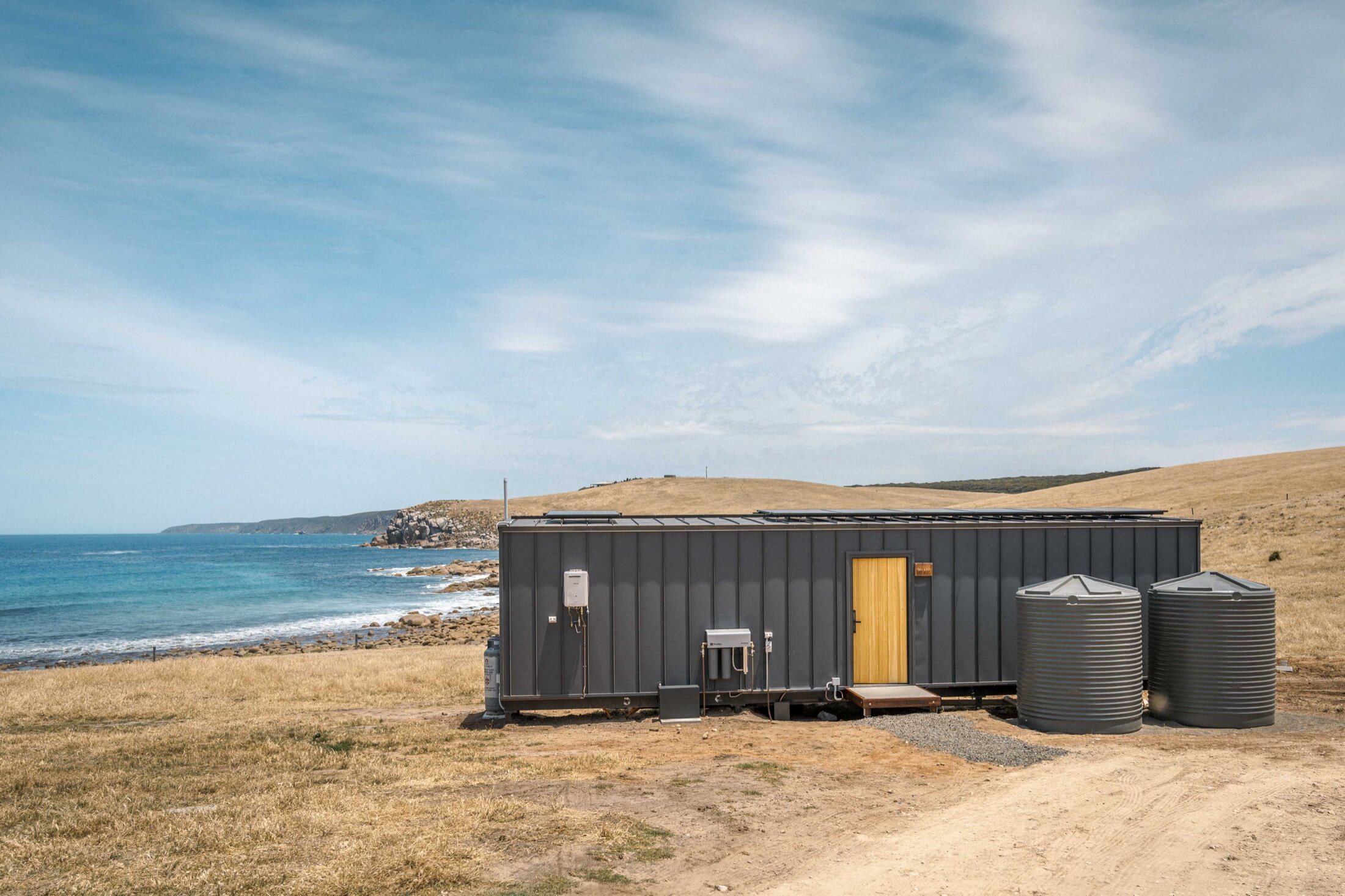
At AUTRA, the cabins with a private sauna lean into exactly this. No booking slot, no shared bench, no one waiting. Just a small timber room a few steps from where you are sleeping, heated for whenever the evening or the cold morning calls for it. The privacy matters more than it sounds, because the ritual only works when you are not performing it for anyone.
In the end the sauna teaches the same lesson a good slow stay does: that doing less, attentively, is its own form of restoration. Heat, cold, stillness, repeat. You walk out lighter, a little clearer, ready to sleep — having accomplished, gloriously, nothing at all.